Bioenergetic therapy for inflammation and gut health is attracting growing interest among Singaporeans who want to address digestive problems and chronic pain without relying entirely on pharmaceuticals. This therapeutic approach works with the body’s energy systems to identify and correct imbalances that contribute to persistent inflammation, particularly in the digestive tract. For many people, it offers a missing piece in their health management strategy.
What Bioenergetic Therapy Actually Does
Bioenergetic therapy examines how energy flows through the body and where that flow has become disrupted. Every cell in the human body produces and responds to electrical signals. When these signals become irregular, whether from stress, poor nutrition, environmental toxins, or emotional strain, the body’s ability to regulate inflammation weakens.
A trained bioenergetic practitioner uses specialised assessment tools to map the body’s energy patterns. They identify areas of congestion or deficiency, then apply targeted techniques to restore balanced flow. These techniques may include hands-on bodywork, device-assisted energy stimulation, or guided breathing exercises. The aim is to re-establish the conditions under which the body can heal itself effectively. Centres offering bioenergetic therapy for inflammation and gut health typically combine several of these methods in a personalised treatment plan.
The Gut-Inflammation Connection
The gut is far more than a digestion organ. It houses approximately 70 per cent of the body’s immune cells and produces a significant portion of its inflammatory signalling molecules. When the intestinal lining becomes compromised, a condition sometimes called increased intestinal permeability, undigested food particles and bacteria can enter the bloodstream. This triggers an immune response that produces widespread inflammation.
Symptoms of gut-driven inflammation include:
- Persistent bloating and gas
- Abdominal cramping after meals
- Irregular bowel patterns
- Skin conditions like eczema or acne
- Joint pain and muscle stiffness
- Brain fog and difficulty concentrating
These symptoms often appear unrelated, which is why many people see multiple specialists without finding a clear answer. Bioenergetic therapy takes a whole-body view, recognising that gut dysfunction can produce effects far beyond the digestive system.
How Bioenergetic Therapy Reduces Inflammation
The therapy addresses inflammation through several mechanisms. First, by restoring proper energy flow to the digestive organs, it supports the repair of the intestinal lining. A healthy gut barrier prevents the immune system from overreacting to harmless substances. Second, bioenergetic work on the nervous system helps shift the body from a stress-dominated state to a rest-and-repair state. Chronic stress is one of the most potent drivers of gut inflammation, and calming the nervous system reduces inflammatory chemical production.
Third, the therapy improves circulation to the abdominal organs. Better blood flow delivers the raw materials needed for tissue repair and carries away inflammatory waste products. As Senior Minister Tharman Shanmugaratnam has said, “We must think about well-being in a broader way.” Bioenergetic therapy embodies that broader perspective by treating the body as an interconnected system rather than a collection of separate parts.
What a Typical Session Looks Like
A bioenergetic therapy session usually lasts 45 to 60 minutes. The practitioner begins with a detailed assessment of your symptoms, medical history, and lifestyle factors. This intake process is thorough because bioenergetic practitioners need to understand the full picture before designing a treatment approach.
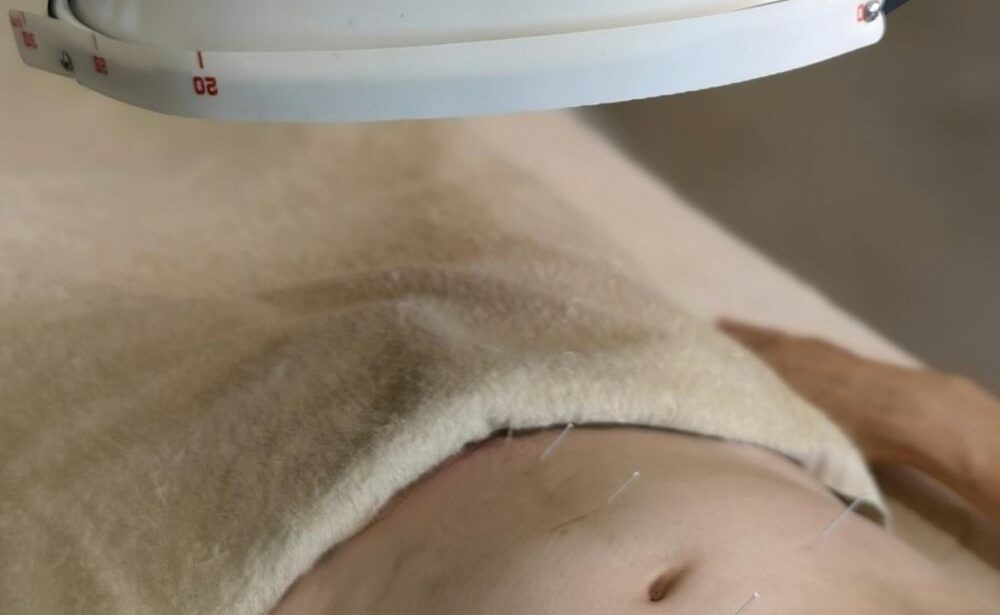
During the treatment itself, you may lie comfortably on a therapy table while the practitioner works on specific energy points. Some sessions involve gentle physical contact, while others use devices that emit targeted frequencies. Many clients report feeling warmth, tingling, or a sense of deep relaxation during the process. After the session, it is common to feel lighter and more energised, though some people experience a brief period of fatigue as the body adjusts.
Most practitioners recommend a course of six to twelve sessions for chronic inflammation and gut issues. The first few sessions focus on assessment and initial rebalancing. Subsequent sessions build on that foundation, progressively restoring energy flow and supporting the body’s healing response.
Combining Bioenergetic Therapy with Nutrition
Diet plays a direct role in gut health and inflammation levels. Bioenergetic therapy works best when supported by an anti-inflammatory eating pattern. Foods that support gut repair include bone broth, fermented vegetables, oily fish rich in omega-3 fatty acids, and fibre-dense vegetables. Foods that aggravate inflammation, such as refined sugar, processed oils, and excessive alcohol, should be reduced.
Some bioenergetic practitioners work alongside nutritionists to create coordinated treatment plans. This integrated approach ensures that energy therapy and dietary changes reinforce each other. Energy-based treatment for digestive inflammation becomes significantly more effective when the gut receives the nutritional support it needs to heal.
Is Bioenergetic Therapy Safe
Bioenergetic therapy is gentle and non-invasive, making it suitable for most adults. It does not involve medication, surgery, or any procedure that carries significant risk. People with pacemakers or certain electronic medical implants should inform their practitioner before beginning treatment, as some devices used in sessions emit electromagnetic frequencies.
Pregnant women, children, and elderly individuals can generally participate safely, though a qualified practitioner will always adjust the approach to suit the individual. Side effects are rare and typically mild, limited to temporary tiredness or minor changes in digestion as the body recalibrates.
Taking the First Step
Chronic inflammation and gut problems respond well to consistent, targeted care. Bioenergetic therapy offers a structured method for addressing these issues at their energetic root. For Singaporeans seeking a complementary approach that works alongside conventional medicine, bioenergetic therapy for inflammation and gut health provides a practical and gentle path toward better digestive function and reduced systemic inflammation.