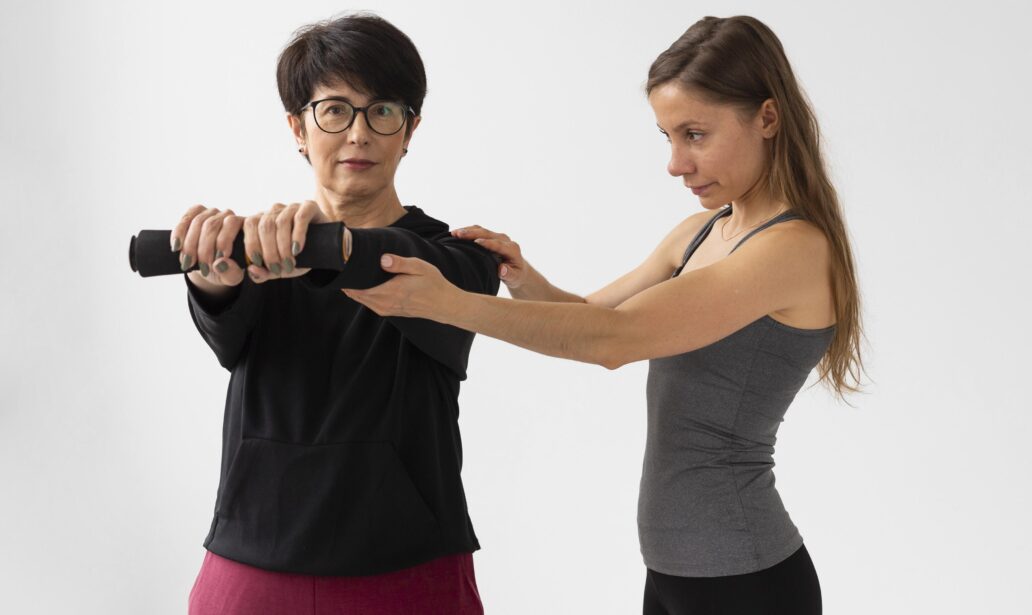
Selecting the right professional is one of the most important decisions you will make when pursuing health coaching singapore services, as the quality of the coaching relationship directly determines the quality of your outcomes. With the wellness industry growing rapidly across the island, understanding what to look for in a health coach can help you invest your time and resources wisely.
Why the Right Coach Matters
Health coaching is fundamentally a relationship-based service. Unlike purchasing a product, where the item speaks for itself, coaching effectiveness depends heavily on the connection between you and your practitioner. A coach who is technically excellent but personally incompatible with your communication style will produce disappointing results. Conversely, a coach whose approach resonates with you can facilitate transformative change.
Research in coaching psychology confirms this – the therapeutic alliance between coach and client is one of the strongest predictors of successful outcomes. This means that choosing well is not a luxury; it is a prerequisite for success.
Key Qualities to Look For
Professional Training and Credentials
The wellness coaching landscape includes practitioners with widely varying levels of training. When evaluating potential coaches, prioritise those who hold recognised certifications from established institutions. Credible credentials typically include training in behaviour change theory, motivational interviewing, nutrition fundamentals, and ethical practice.
In Singapore, look for coaches who can clearly articulate their training background and demonstrate ongoing professional development. The field evolves rapidly, and the best practitioners stay current with emerging research and methodologies.
Relevant Experience
Experience matters, but it must be the right kind of experience. A coach who specialises in corporate wellness may not be the ideal choice if your primary concern is managing a chronic health condition. Consider your specific goals and seek a practitioner whose track record aligns with your needs.
Key questions to ask include:
- How long have you been practising as a health coach?
- What types of clients do you typically work with?
- Do you have experience with my specific health concerns?
- Can you share any anonymised case examples that illustrate your approach?
Communication Style
Effective personal health guidance requires excellent communication skills. During any initial consultation, pay attention to how the coach listens, asks questions, and explains their approach. A good coach should:
- Listen more than they speak, especially in early conversations
- Ask thoughtful, open-ended questions that help you explore your own thinking
- Explain concepts clearly without using excessive jargon
- Demonstrate genuine curiosity about your life and circumstances
- Respect your autonomy and avoid being prescriptive or judgemental
Evidence-Based Approach
The best coaches ground their practice in scientific evidence rather than trends or personal opinions. While every coach will have their own style and philosophy, their recommendations should be consistent with current health research. Be cautious of practitioners who promote extreme diets, miracle supplements, or approaches that contradict established medical consensus.
Dr. Chua Mei Yin, a Singaporean health systems researcher, advises: “Patients and clients should feel empowered to ask their coaches about the evidence behind their recommendations. A confident and competent practitioner will welcome these questions rather than deflect them. Transparency about methods is a hallmark of professional integrity.”
Red Flags to Watch For
Knowing what to avoid is equally important. Be wary of coaches who exhibit any of the following behaviours:
- Guaranteed results: No ethical practitioner can guarantee specific health outcomes, as individual responses to lifestyle changes vary considerably.
- Diagnosis or treatment: Health coaches are not medical doctors. Any coach who attempts to diagnose conditions or prescribe treatments is operating outside their scope of practice.
- Pressure tactics: High-pressure sales approaches, long-term contract requirements, or urgency-based marketing are not consistent with professional coaching practice.
- One-size-fits-all programmes: If a coach offers the same programme to every client without conducting a thorough individual assessment, the personalisation that makes coaching effective is likely missing.
- Dismissal of conventional medicine: A responsible coach works alongside your healthcare providers, not in opposition to them.
The Value of an Initial Consultation
Most reputable coaches offer an initial consultation or discovery session, often at reduced cost or complimentary. Use this opportunity wisely. Come prepared with questions about their background, methods, and typical client outcomes.
Pay attention to how you feel during and after the conversation. Do you feel heard and respected? Does the coach seem genuinely interested in helping you? Can you imagine building a productive working relationship with this person? Trust your instincts – they are valuable data in this decision.
Practical Considerations
Beyond the personal qualities of the coach, several practical factors deserve attention:
- Location and format: Does the coach offer in-person sessions, virtual consultations, or both? Consider what format suits your schedule and preferences.
- Session frequency and duration: Understand the recommended cadence and length of sessions before committing.
- Fees and packages: Coaching is an investment. Ensure you understand the fee structure and what is included. Compare options but avoid choosing solely on price.
- Availability: A coach who is difficult to reach between sessions may not provide the level of support you need, especially during challenging periods.
Lifestyle coaching as a Long-Term Partnership
The coaching relationship typically evolves over time. Early sessions tend to focus on assessment, goal setting, and building rapport. As the relationship matures, conversations often deepen, addressing underlying patterns and beliefs that influence health behaviours. The most successful coaching engagements are those in which both parties are committed to an honest and evolving dialogue.
Making Your Decision
Choosing a health coach is a personal decision that deserves careful thought. Take your time, consult multiple practitioners, and trust the process of finding the right fit. The investment you make in selecting well will pay dividends throughout your coaching journey. When you find the right health coaching singapore professional, you gain not just a coach but a partner in building the healthier life you envision.